

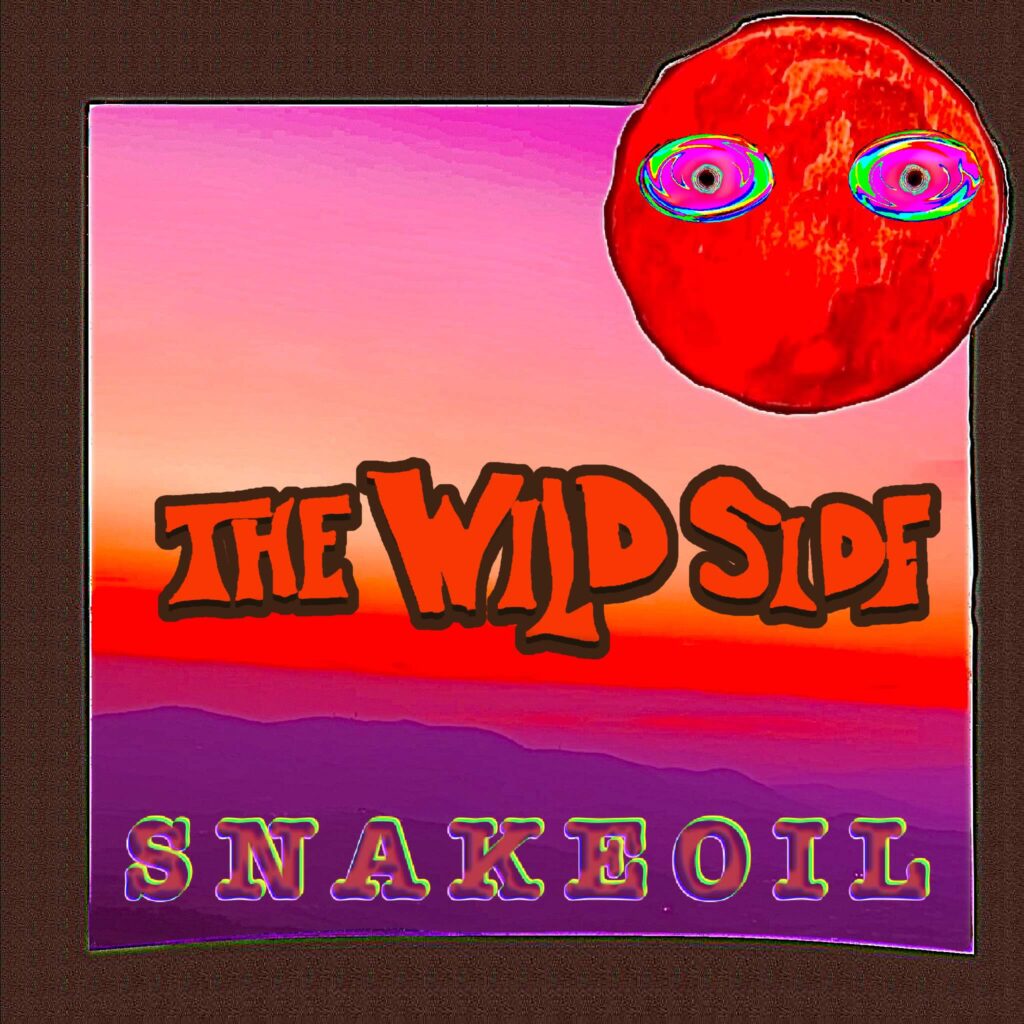
If you are looking for a record that sounds authentically nostalgic, ‘The Wild Side’ will likely be a good match. Penned by American musician and songwriter SnakeOil, the album marks the project’s latest release, a nine-track journey into psychedelic territories, classic rock riffing, and folk intimacy. There’s a bit of everything in it, with Nick Cutrer, the human behind SnakeOil, drawing from his many influences from the 60s and the 70s. In many ways, it’s a tribute to that era.
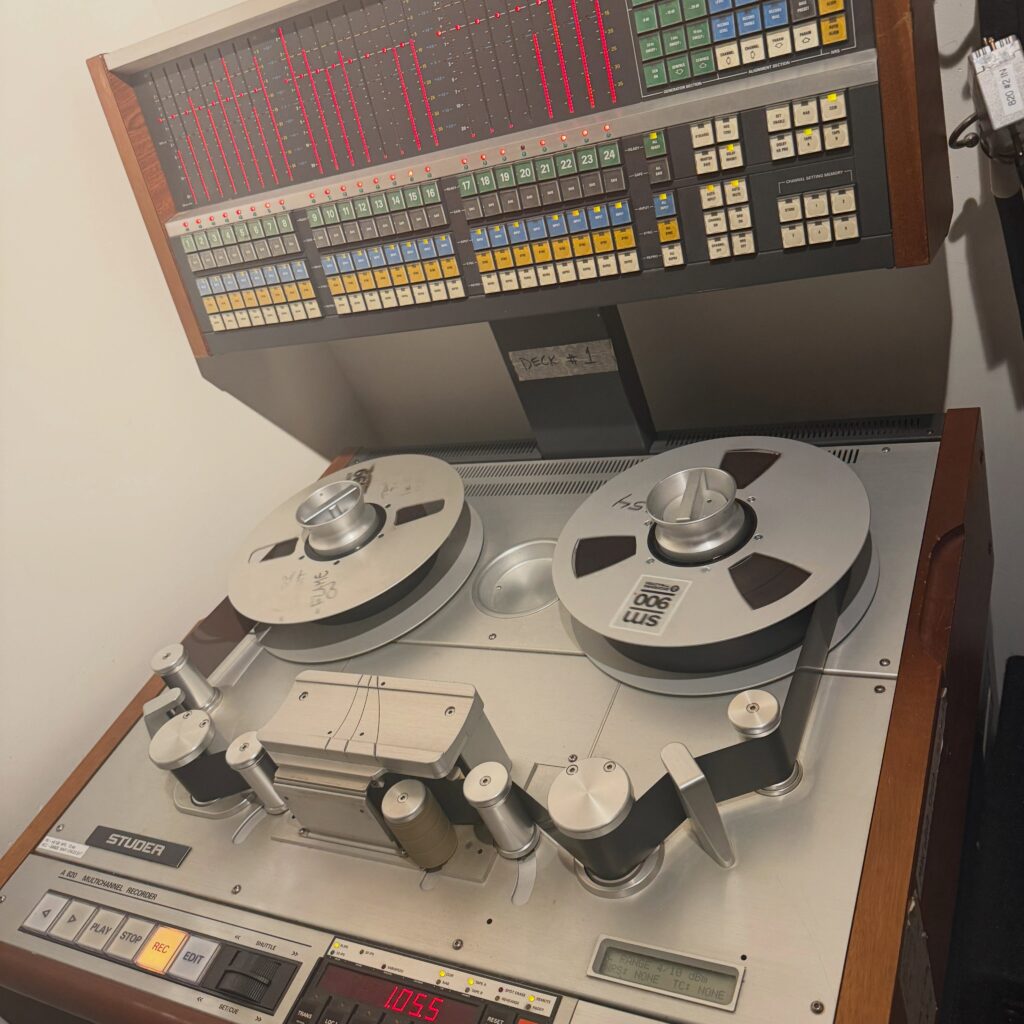
True to its overall retro ethos, ‘The Wild Side’ has been recorded on analogue tape at Oakland’s Tiny Telephone studios, a feature that translates into a heartwarming, yet fuzzy sound. It’s a jagged, nuanced album, unpretentious and very real, in a cultural sense.
Intrigued by SnakeOil, we caught up with the talented musician to learn more about his artistry and future goals… Interview below!
Hey Nick, thanks for chatting with us! I will introduce the project to the reader beforehand, so they’ll know what SnakeOil is. Yet, my first question for you circles around the same theme: what does SnakeOil represent for Nick Cutrer? Is there any specific meaning to its name?
Y’know it’s funny. The album has had a title almost as long as I’ve been working on it. The band or project or whatever never really had one right up until the evening of the release. I found SnakeOil in the notebook where most of the original versions of the songs are written, and I love the old westerns. Thought it fit. Most importantly, everyone is trying to sell you something these days, but only I have the good stuff…
Speaking of the sound of the 60s and 70s, did you grow up listening to records from that era? Are there any particular influences that you would like to shout out?
Anyone who knows me will tell you I’m a bit of a Beatles fanatic, so that’s always front and centre. You obviously can’t recreate that magic, but it sure is fun trying to. I love Pink Floyd and Led Zeppelin and all those bands you see on T-shirts every time you walk down the street. I listen to too much Bob Dylan. When nobody is watching, I like to record Sam Cooke covers. You could say all that is mainstream, but it’s a nice stream to float down.
‘The Wild Side’ is your debut album, a collection of nine tracks sharing a highly wholesome character and hints of lo-fi character. How long has the LP been in the works?
It really depends on when you start counting, but quite a while. I started writing songs pretty much as soon as I could play cowboy chords; a few of them wound up on here. I spent about a year really studying the art of finishing a song, a very different skill set than starting one. I’d say it probably took me about 3-4 years of serious attention. Most of that was what I’d consider a musical education in what producing a record actually requires.
From a recording and production standpoint, did you embrace modern technology, or did you limit yourself to analogue gear?
Any true gearhead would be embarrassed by my set-up. I recorded stuff with broken mics, substandard instruments, questionable acoustic spaces, and plenty of digital effects. I’m a pragmatist like that. But, leaning on those analogue influences, I really wanted to mix it down to magnetic tape, which we did at Oakland’s Tiny Telephone, and build the arrangements around physical instrumentation. And the reason why is more philosophical than anything… I think there’s a lot of music today with strong songwriting and cool arrangements, and I just can’t get into it because it feels so clinical, like you can cut through those mixes with a butter knife. It was very important to me to make these songs glow, and ensure you couldn’t penetrate the sound with a chainsaw.
Lyrically, is there a common theme shining through ‘The Wild Side’? What does the album mean to you?
It’s honestly really tough to figure out what something like this means once you look at 33 minutes of music from every angle you can come up with, listen to it one hundred thousand times, and then let it go, but I am going to try and define it.
The Wild Side is a record about choosing to see the world from a different perspective than the one you did yesterday. It’s about following that perspective down the rabbit hole into The Wild Side and demanding it show you the truth of the matter, what it all means in the end. And The Wild Side doesn’t particularly like it when you ask it those kinds of questions; it doesn’t think you yet possess the wisdom to appreciate it, so it’ll answer you, just maybe not in the way you were looking for…
Personally, I love the album’s most psychedelic episodes, such as ‘Dripping At The Door’ and ‘Amber & Hazel’. With that, I mean psychedelic in a sonic sense, more than a lyrical one. Do you have a favourite track on the album? 🙂
My favourite part about sharing this record with people is that they tell me they love how psychedelic their favourite song is, and it’s always a different one. That tells me I did my job. The trippiest song depends on your point of view. If I had to pick one, it’s ‘Babylon’, but I’m actually really glad you highlighted those two in particular because they have opposing origin stories.
’Dripping At The Door’ is a psychedelic song because I wrote it while tripping on LSD, about tripping on LSD. And I wrote the whole thing in one night and then spent about 4 years trying to get it to sound the way it did in my head. I did everything. I recorded instruments backwards, I stacked so many effects it crashed my computer, I added mandolins, I walked 4 miles into the Berkeley hills and climbed into an abandoned bunker and recorded my buddy smacking the hatch with a metal stick. And I just wasn’t happy with any of it. And when the mix engineer, Danielle, played the final cut for me and asked me if I had any notes, I went, “fuck it, it’s not gonna get any better if you give me 4 more years”, and we printed it. I’m still mad at the track, but I’m glad people like it anyway.
‘Amber & Hazel’ was not supposed to be a psychedelic song at all. It was a little sentimental piece that came to me in a dream long ago, and I had a take of it I really liked recorded in a rocking chair on my front porch. The trouble was that I did it in the wrong key, and so we had to pitch the whole thing up like two full semitones, and it gave the song a weightlessness it never had before, like ripples in a pond, and the rest was history.
It never quite turns out the way you dream it up.
Lastly, what’s next for SnakeOil? Any live shows on the horizon?
Well, I’ve got more songs and a concept for a second record I’m pretty excited about. The big change in my life is that I moved from the Bay Area to a house in the woods of Vermont. In the short time I’ve been here, I’ve already met a bunch of cool people I’m excited to play with. To this point, SnakeOil has mostly been a studio project, but I’m not gonna let myself release another record until I get up in front of some audiences and connect with people that way.