


Not all songs are made equal. Some strive for commercial success; others focus on meaningful lyricism, truly seeking to describe the complexity of the human experience. ‘Come To Your Senses’ belongs to the latter category, a highly expressive, relatable cut that takes listeners to the core of an emotional heartbreak, one where nostalgic episodes pose a lot of questions, and regrets start to show their familiar faces.
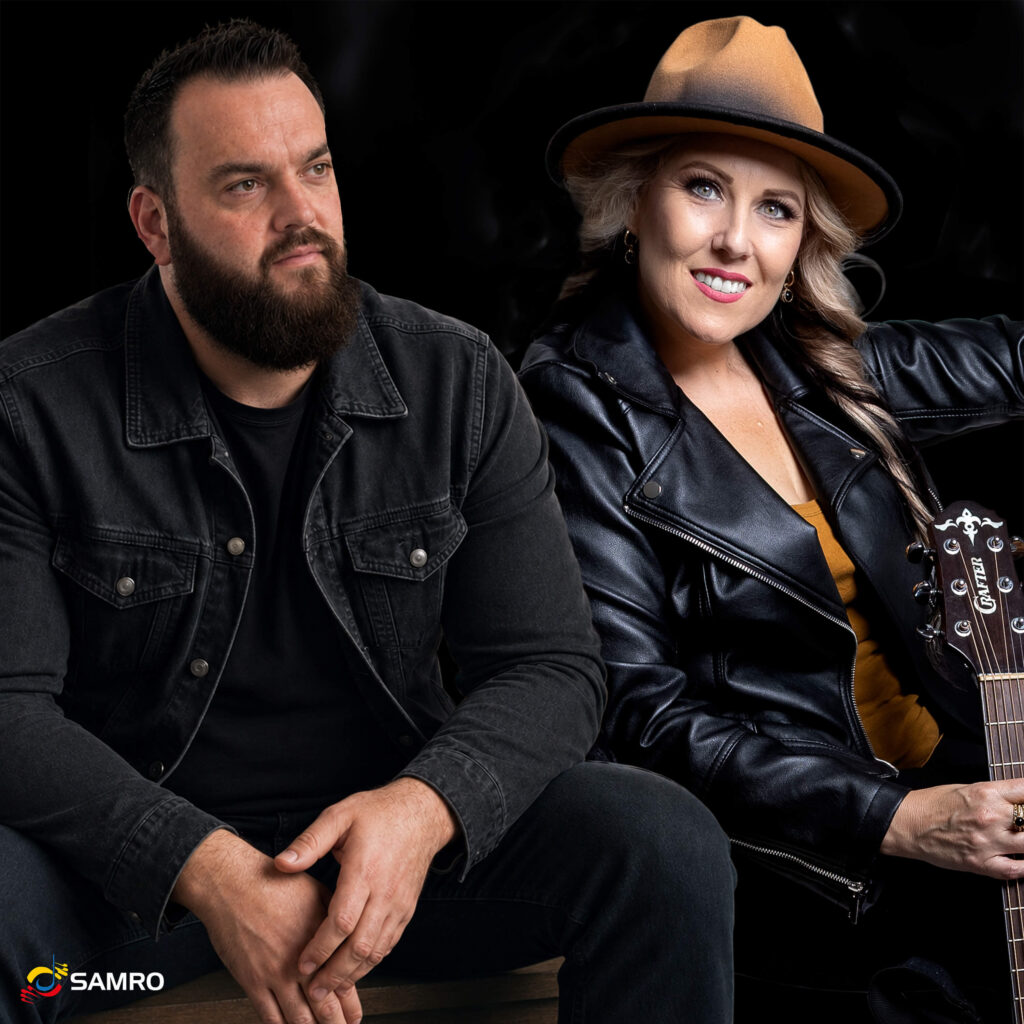
Behind such a purposeful offering, we find British troubadour Songs of Solomon, here teaming up with CheraLee on a hypnotic and intense vocal duet. Built on melodic pop-rock allure, ‘Come To Your Senses’ marks our first encounter with Southampton-based Solomon Machanick, the talented human behind the project.
Intrigued by the record, we caught up with Songs of Solomon to learn more about his artistry and future goals… Interview below!
Hey Solomon, thanks for chatting with us! While delving into your press material, I noticed that you characterise Songs of Solomon as a solo project. What’s the primary ethos behind it?
Thank you for having me! Songs of Solomon is my solo project. I am the artist and songwriter behind it, and I sometimes work with other musicians, producers and guest vocalists when a song calls for it. Come to Your Senses, with CheraLee, is one of those collaborations.
The heart of the project is storytelling. I want each song to have something to say, to take the listener somewhere and to feel recognisable. The sound can change from one release to another because I let the story guide the music. That freedom is a big part of what Songs of Solomon means to me.
Before we focus on your latest single, I’d love to know more about the human behind the project. Have you been doing music since you were a kid? What pushed you to embrace your inner artistry?
Music has been part of my life since I was young. I first picked up a guitar at fourteen, and I went on to study music formally for several years in South Africa, attending the National School of the Arts and the music programme at Allenby Campus (college).
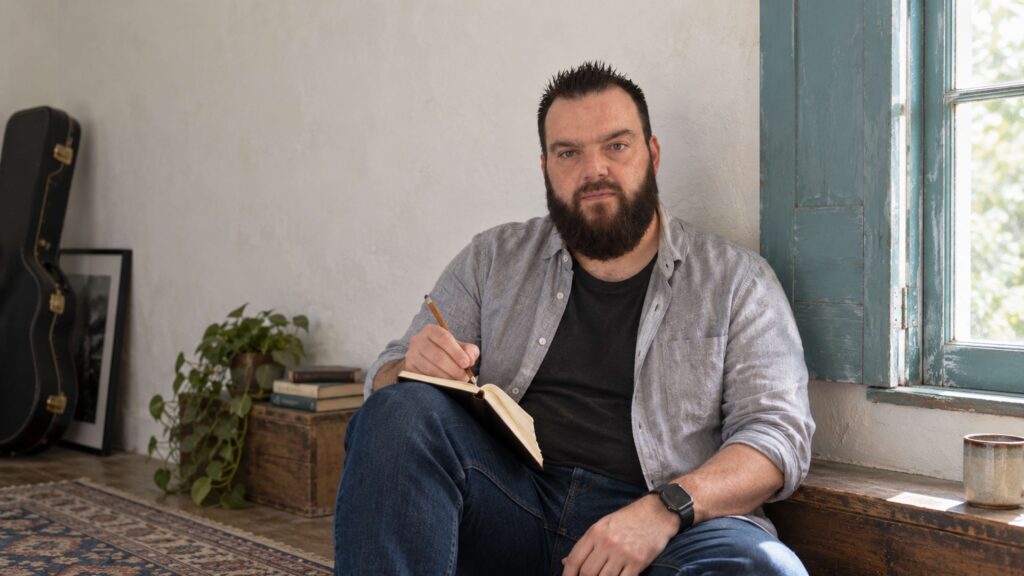
That training gave me a foundation, but the personal connection to music is what has stayed with me. I love the way a song can put words and a melody to something you have felt but struggled to express. Writing my own songs gives me a way to explore those experiences and make something that another person might recognise in their own life.
In terms of musical influences, what are some artists or bands that have been pivotal to your development?
My tastes are quite eclectic. Toto have had a huge impact on me. I love the musicianship, the melodies and the way they can make sophisticated music feel so immediate. Their reach goes well beyond the band itself, too. Steve Porcaro’s writing on Michael Jackson’s ‘Human Nature’ is a lovely example of that.
I also love Lyle Lovett, particularly ‘Step Inside This House’. There is so much character in the storytelling and the way he delivers a song. Then there is the harder rock I grew up with, including Def Leppard, with those big melodies, guitars and harmonies. Those influences all sit quite comfortably together for me. I can appreciate a beautifully understated song and also love a big rock chorus. They feed different parts of what I do.
‘Come to your senses’ is your latest effort, a charming single that sees you teaming up with fellow singer CheraLee. I appreciate the charismatic pop-rock sound that propels it. Is there a special meaning behind the song?
It is about the gap between saying a relationship is over and actually being able to let it go. These two people keep trying to move on, telling themselves and everyone else that they are fine, but they are still drawn back to each other. I wanted to write about an experience that many people recognise. The important part of the chorus is the whole thought: “Come to your senses, I’ll come to mine.” There is responsibility on both sides. Each person is asking for honesty while admitting that they owe it too.
Having two voices gives that feeling another dimension. You hear both people inside the same situation, with their own pride, uncertainty and longing. The music has warmth and energy, and the hope comes from the possibility that they might finally say what they really feel.
How did you meet CheraLee? Did you write the song together, or was she invited after the fact?
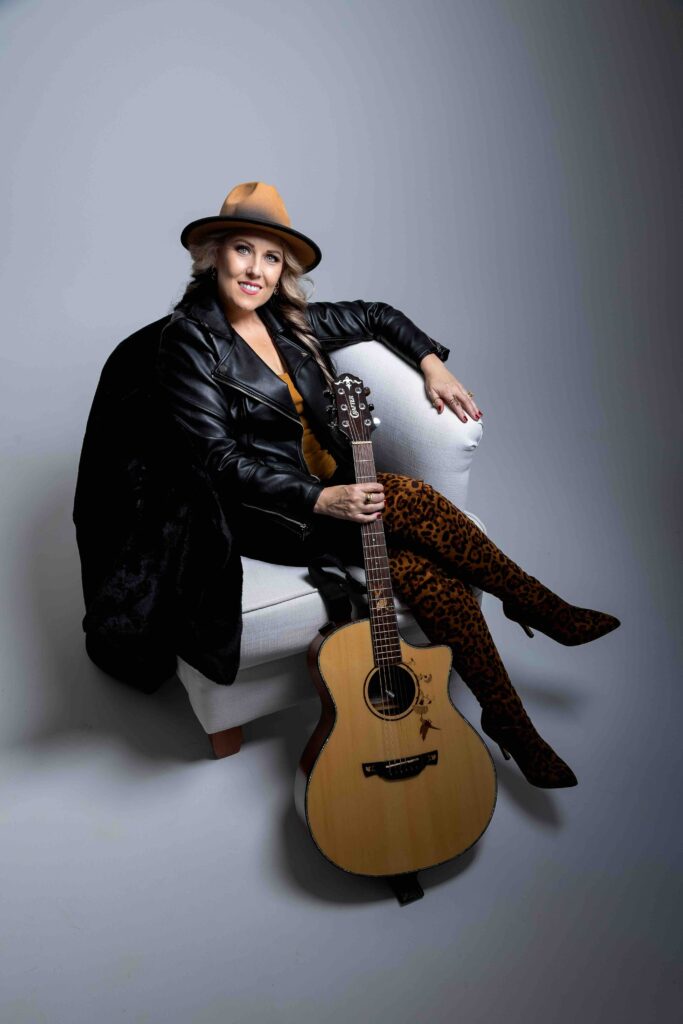
André Hurter, my producer at Montana Studios, introduced me to CheraLee. I wrote ‘Come to Your Senses’ myself, and she came on board as the featured vocalist for the duet. She brings her own vocal character and interpretation to the recording. That matters because the song is a conversation between two people. Hearing another voice inhabit the story gives it a different emotional perspective. It was a collaboration on the performance and recording of a song I had written.
Can you guide us through the recording of ‘Come to your senses’? Were there any collaborators involved?
André Hurter produced the track at Montana Studios, and Alejandro Fernandez worked on the vocal production and comping. CheraLee recorded the other lead vocal, and we developed the balance between our voices through the recording and mixing process.
We paid a lot of attention to the harmonies, the phrasing and how the two voices sat together. It matters that both people in the duet can be heard clearly and that their delivery makes sense as a conversation. Even the difference between singing a line softly and singing it more forcefully can change what that moment seems to mean. For me, that is where the craft of recording comes in: shaping all those individual performances into something that carries the emotion of the song.
I’d love to know more about your creative process, Solomon. Do you usually write songs in your spare time? Do you write alone or with others?
My usual process is to write on my own, and I always start with the story and the lyrics. Before anything else, I recognise that a song is a story. It needs momentum, it needs to lead somewhere, and it needs to be relatable. I think about what is happening, what the person in the song is feeling and how that feeling changes as the song unfolds. The listener needs a reason to keep following it.
Once I have that foundation, I pick up my guitar and explore what music fits. The melody, rhythm and chords have to support what the words are doing. That is also why my songs can move between styles. A different story may need a different musical setting. Working with producers and musicians comes later, when we develop the recording. The writing itself is usually a solitary part of the process for me.
Lastly, what’s next for Songs of Solomon? Any plans for live gigs in the future?
Yes, I do plan to start gigging in 2027. There is nothing concrete to announce yet, but taking these songs out to a live audience is something I definitely want to do. I am also continuing to work on new recordings and build the Songs of Solomon catalogue. I want to keep following the stories that interest me and give each song the sound it needs.
The prospect of performing them live is exciting because it creates a different kind of connection. You get to share the song with people in the room and see how it lands. I would love that to become an important part of the next chapter.