


We have previously described Valley Taylor‘s music as “precious dreaminess… a slice of indie-coded lo-fi allure and luscious vocals”, highlighting the hypnotic and vibrant character carried by the Bay Area musician’s alternative records. Such a description rings true once again, as Taylor unveils his latest album ‘One Hundred Billion Points Of Light’, a kaleidoscopic wonder packed with luscious textures, gritty beats and hazy vocals.
The LP lies in between a collaborative record and a self-produced one. Inspired by the help of a few friends such as Geoff Nelson, Devin Zamora, and David Hollenbeck, Taylor then took full creative control of the process, going as far as mixing it all himself. What we can hear today is an album that’s a direct expression of Valley’s artistic vision, something that makes the entire body of work incredibly authentic and meaningful. The final master was eventually done by Alec Beretz.
Intrigued by ‘One Hundred Billion Points Of Light’, we caught up with Taylor to learn more about his artistry and future goals… Interview below!
Hi Valley! We wrote about your previous album ‘Doppelganger’ back in May, and since your new LP ‘One Hundred Billion Points Of Light’ has now been released, I am noticing the copious number of albums and EPs you have published since 2021. Is this a conscious choice? Do you believe in long-form releases, as opposed to focusing on singles?
Believe it or not, there actually used to be even more EPs and singles up! When I switched distributors, I had to re-upload everything, so I decided to take the opportunity to go back and remix a lot of those older songs before rereleasing them.
But yes, I definitely gravitate toward longer releases. I’m also a huge procrastinator, and recording and writing music are basically my favourite ways to procrastinate on every other part of being a musician. If the choice is between playing shows, making a music video, or sitting at home demoing and tracking a bunch of new songs, I’m probably going to choose the last one every time. So I tend to accumulate songs pretty quickly, and eventually they naturally start becoming albums or EPs.
Singles are useful, especially for introducing people to a record, but I think I’ll always be more interested in making a larger body of work than trying to make every individual song its own release.
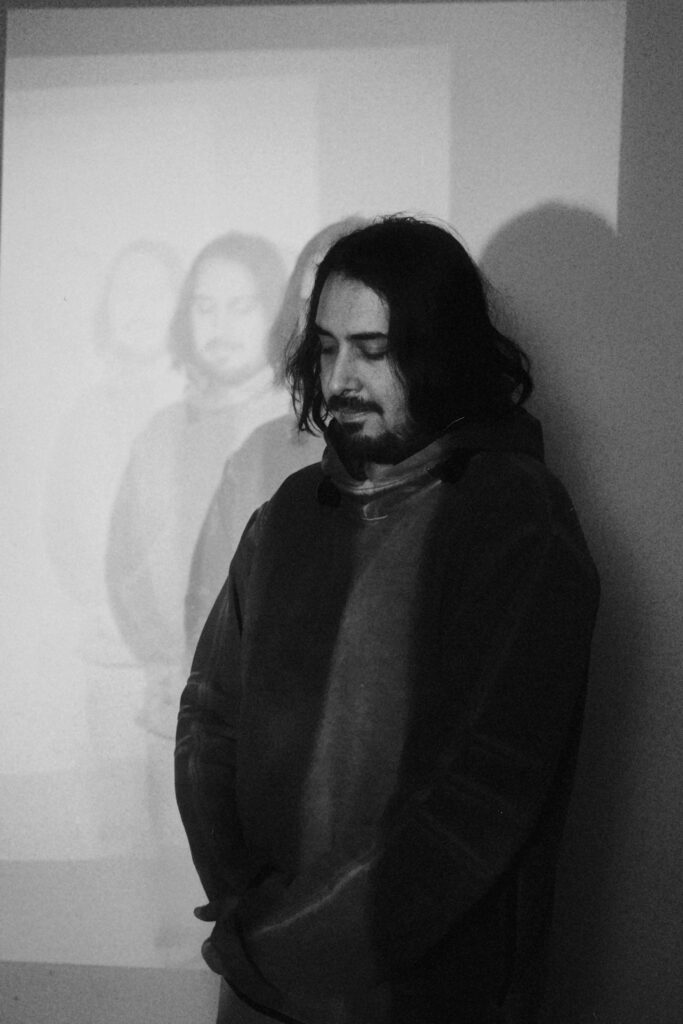
Let’s dig into ‘One Hundred Billion Points Of Light’: is there a general premise behind the record? What does it mean to you?
It actually started as kind of a joke. I remember hearing former President George H. W. Bush’s phrase “a thousand points of light,” and for whatever reason I started exaggerating it into One Hundred Billion Points of Light. I would just say it because I thought it sounded funny and ridiculously huge.
But the longer I had the phrase in my head, the more meaningful it became to me. I started thinking about all of the little experiences that make up a person’s life. The mistakes, victories, relationships, losses, embarrassing moments, things we’re proud of, and things that probably seemed completely insignificant when they happened. All of those small human experiences accumulate and shape us into whoever we eventually become.
That’s really what the album means to me. There isn’t one enormous defining thing that makes us who we are. It’s all of these little points throughout a lifetime. It is the life we live that makes us who we are.
I am intrigued by the fact that you mixed the album by yourself… It’s easy to consider the record an unfiltered vision of what you had in mind. Many artists find it difficult to consider a track done, instead sliding into a pattern of endless tweaks and edits. Did you have any self-imposed limits in place, in terms of the amount of work and hours you were willing to spend on it?
I definitely had limits, both physical and mental, haha. The physical limit was my computer. Some of these songs ended up with an insane number of tracks, virtual instruments, and really power-hungry tone-shaping plugins, and eventually my PC would just grind to a halt. I constantly had to take a step back, render things down, flatten tracks, and commit to choices instead of endlessly keeping every option open. Weirdly, I think that was probably good for the record.
The mental limit was that it just takes so damn long! I could have easily spent another six months mixing and trying to pull finer details and more clarity out of these songs. At a certain point, though, you have to move on and ignore the perfectionist in your head telling you there’s still more work to be done.
Because of course there’s more work that could be done. The better question is: does it need to be done? Is the song already telling people the story you want them to hear? Does it already feel like getting punched in the stomach? Then good. It’s done. Stop.
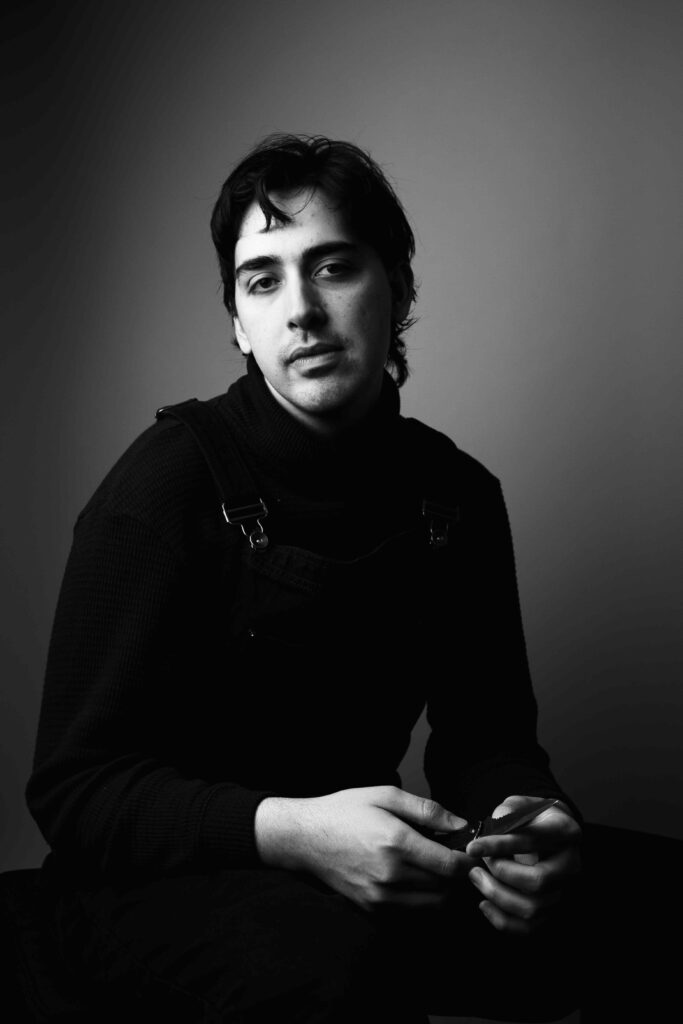
A lot of your inspirations for the album (such as Radiohead’s ‘In Rainbows’ and Bon Iver’s ‘For Emma, For Ever Ago’) fall into the introspective music category; there were certainly not mainstream records at the time, albeit they did provide a musical awakening for a lot of folks out there, including myself. Are you drawn to melancholic, evocative material, in general? What are some of your other influences?
Absolutely. Music like that just feels so good to me. But I think it’s more than the loneliness or melancholy of those albums. On a musical level, they’re also incredibly technical and full of novel ideas. It’s that mixture of exploration and almost brutal loneliness that I really connect with. You’re hearing someone push into strange new territory musically while making something that can feel incredibly intimate at the same time.
And I don’t only find that feeling in music. There’s so much art like that in places you wouldn’t necessarily expect. There’s an anime called Ergo Proxy that’s genuinely one of my favourite pieces of media of all time. I love storytelling where you get to consume this piece of art that’s so strange and specific that you almost don’t understand why anyone decided to make it in the first place, but you’re incredibly happy that they did. Somehow it feels like it was made just for you.
That’s one of the feelings I want people to have with my music too. I want someone to hear one of my songs, or see the artwork or videos I make alongside it, and have that same feeling of, “I can’t believe somebody made this, but I’m really glad it exists.” I think that’s much more interesting to me than trying to make something that everybody immediately understands.
Do you have a favourite track on the album? 🙂 I am sure you love each one equally, but perhaps there’s one in particular that you are proud of…
I couldn’t narrow it down to one if my life depended on it, but I can narrow it down to two: Spit and Don’t You Wanna Be Fine?
Spit is probably the song I’m most proud of sonically and musically. It just came together in a way that feels really satisfying to me, and it has one of my favourite bass lines I’ve ever written, which definitely helps.
Don’t You Wanna Be Fine? is my favourite from a pure songwriting perspective. It’s funny because the finished version is probably the most intense song on the album. There are over 50 tracks, and it’s just immense. There is so much happening. But if you strip all of that away and go back to the original iPhone demo, where it’s just my voice and a guitar, the song still feels every bit as powerful to me.
Hopefully that comes through for other people too, but for me that song is probably the closest I’ve gotten to saying what I’ve been trying to say lately.
Looking back at your own journey in music, would you say you are exactly where you want to be? Is there someone or something that helped you become the musician you are today?
I am exactly where I want to be today, honestly. I have a lockout studio in Oakland where the weather is always kind of perfect and moody, and I can go there, turn my amps up, play with my full band, and we can be as loud as we want whenever we want.
Then I have my home studio, which is basically my dream setup. I have my SSL interface, all of my gear, and I can make music for myself or work on music for the film and TV production companies I collaborate with. I get to spend a huge part of my life making things, which is really all I ever wanted.
More importantly, I have this wonderful group of people around me who believe in what I do. They listen to the music, buy the records and merch, come to shows, and sometimes I get to hang out with people who genuinely connect with something I made. That part is still kind of surreal to me.
So I don’t really think I would want anything to change about where I am right now. This feels like the perfect place for me. And when I think about who helped me become the musician I am today, it’s really all of those people: the friends, bandmates, collaborators, listeners, and everyone who’s enabled me to keep living this life and making art.
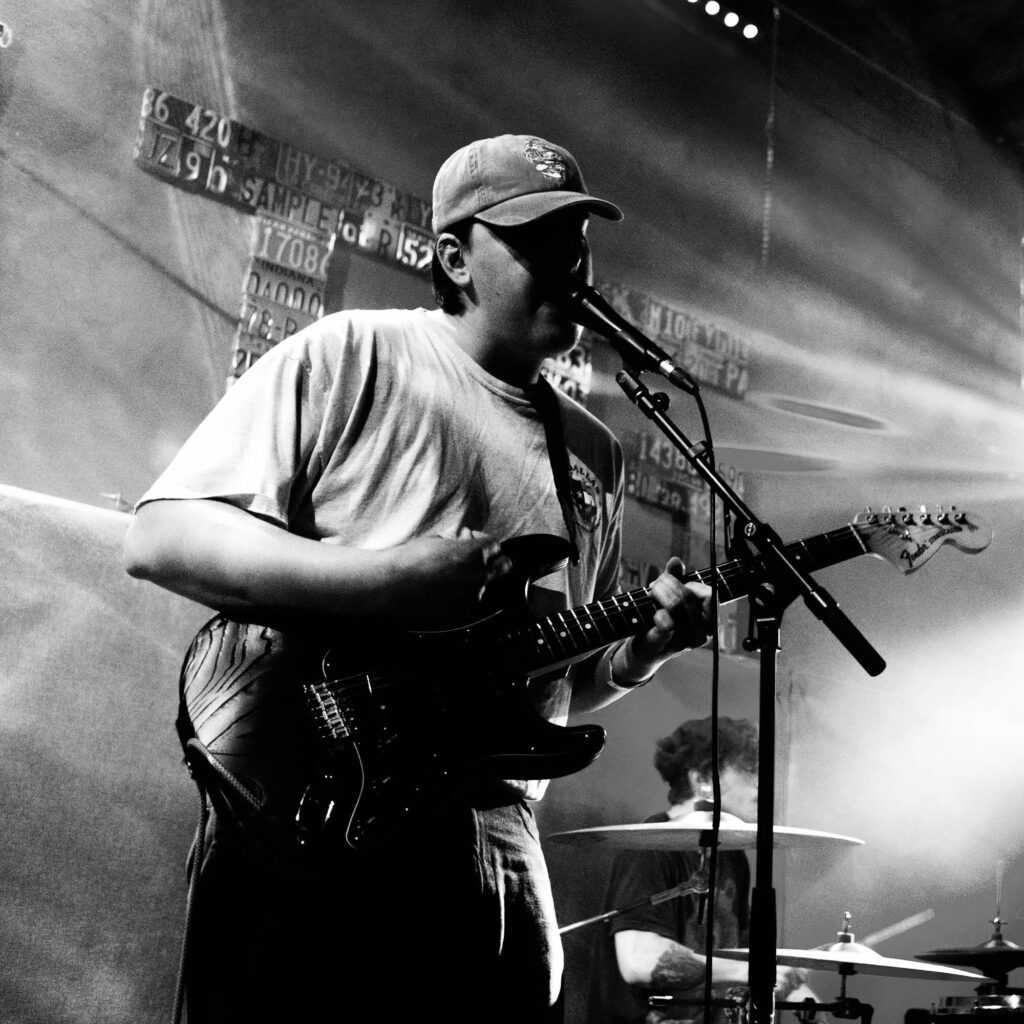
People might not know this, but Valley Taylor is not merely a sonic artist; you are quite talented and active across visual media too. Do all those skills influence each other?
Absolutely. All of those skills influence one another, and lately I’ve even started getting into web development. I think being a musician in this digital age of algorithms kind of forces you to learn a ridiculous number of disciplines, but it’s up to us whether we approach those things as chores or as art.
Web development doesn’t have to be boring. There’s a lot of sauce to get lost in. I went kind of crazy with my website and started making all of these fun, exploratory pages with their own little interactions and ideas. And in order to build that world, I also needed to take photos, draw designs for merch, make hand-animated little stories, shoot video, and figure out how all of those pieces could live together.
You can look at that and see it as never-ending work, because honestly it is. But if you approach it artfully, every one of those tasks becomes another way to express yourself and bring people a little deeper into your world.
Lastly, what’s next for Valley Taylor? Are you planning any live shows in the coming months?
It’s honestly hard for me to think about anything past the album coming out on the 19th because it’s been consuming so much of my bandwidth lately.
Of course, I already have another selection of songs that I’ve been dying to start fleshing out. I’ve even been thinking about taking them into a proper studio this time, just to break up some of the cycles and habits I feel like I’ve fallen into working mostly on my own. I think putting myself in a different environment and giving up a little bit of control could lead somewhere interesting.
I do have some shows coming up later this year too. We’re planning to play in Davis on November 6th, and there’s another show being worked out for November 14th in Berkeley, most likely at Gilman. That’s still a little ways off, though, so right now most of my brain is still completely occupied by this album.
As for exactly what comes next after that, it’s probably anyone’s guess. Most of the time I have no idea what I’m doing next until I’m already way too deep into the next project to turn around.