


We’ll start by saying that ‘Window’ is one of the most interesting records we have received recently. Melancholic and expressive, yet kinetic and electrifying, the single establishes a working compromise between relatable, evocative lyricism and alternative, spacious guitar tones, a formula that places Slow Teeth firmly into indie and alternative territories. Hailing from North Carolina, the talented group is capable of restrained, gentle sections as well as all-out explosions, and ‘Window’ in particular does a great job of blooming into a cathartic wall of sound packed with long distortions and hypnotic vocal harmonies.
What more could you wish for? We are sold on it! ‘Window’ follows up on last year’s ‘I’ EP, the only two releases in what we expect to be a notable, productive career. Slow Teeth are Robert Chamberlain (drums, synthesizers), Justin Ellis (bass, vocals, keyboards), and Jeremy Haire (guitar, vocals).
Intrigued by the project, we caught up with the American group to learn more about their artistry and future goals… Interview below!
Hey Slow Teeth, thanks for chatting with us! I have dived into a fair bit of your catalogue; although short, it’s very promising. It helps that, as a Radiohead fan, melancholic and texture-packed guitar music is right up my alley. Are you satisfied with how the project is shaping up so far?
JE (Justin Ellis): Hey! Thanks for chatting with us and for the kind words. We’re all very happy with the band’s trajectory so far, especially when we meet new listeners who see and hear our vision. We started playing as a COVID bubble band back in 2021, and 5 years later we have released a record, are about to finish a second, and have toured 4 times in most corners of the US, all by ourselves. We’ve even been able to play some cool festivals and open for bigger names in our genre such as Explosions In The Sky, Xiu Xiu, A Place To Bury Strangers, Holy Fawn, and others. It’s been, and continues to be, a great time!
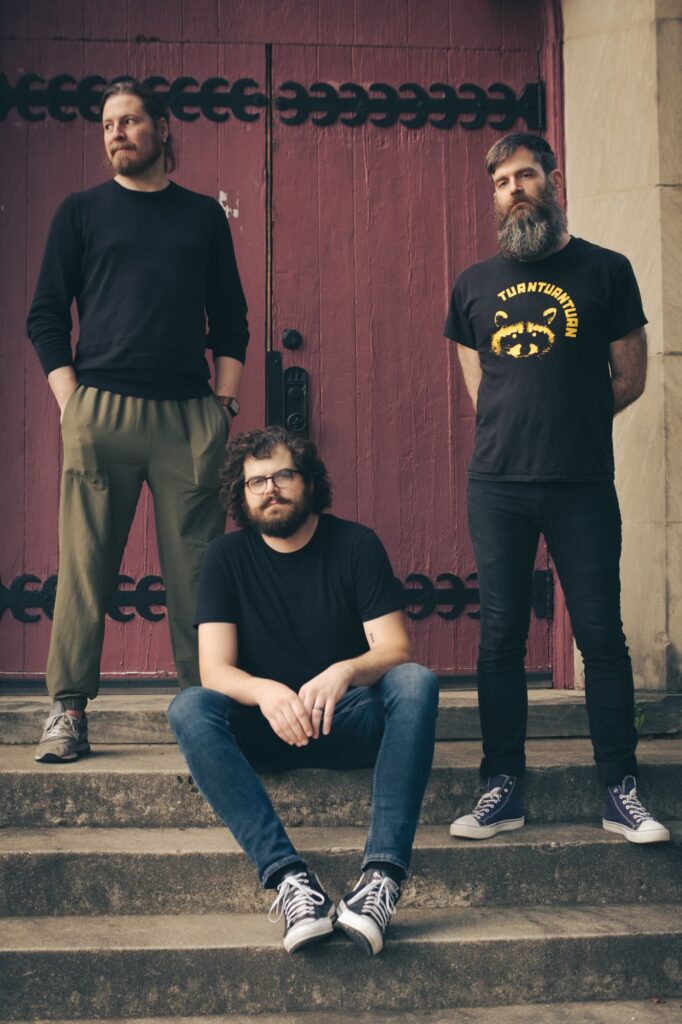
‘Window’ is your latest single, the band’s first release of the year. Compared to your debut EP, ‘I’, the new record seems to embrace a more melodic brand of post-rock, essentially swapping gloomy tones for evocative melodies and slow-burn riffing. Are you satisfied with how the track came out? How long has it been in the works?
JE: For sure! We self-recorded and mixed our first record at home, but for this next batch of songs, we hired an external producer (Paul Blackwell) and recorded on-site at the NorthStar Church of the Arts. We’ve always been a deeply collaborative band in all aspects, but bringing others into the fold for this next release has helped us ‘zoom out’ and look at our music-making process a little differently. This song has existed in the live set in some form for over three years now, so it’s been really great to finally get it across the finish line.
From a lyrical standpoint, is there a precise message behind ‘Window’?
JH (Jeremy Haire): It’s less concerned with presenting a coherent message, more of a bittersweet reverie of impermanence and sharing that with someone.
Do you write music together? Is it a collaborative process, or do you prefer an individual approach?
JE: This is the most collaborative band any of us have ever been in. Everything on our first record, ‘I’, largely came from longer improvisations that we morphed into songs collectively as a group. ‘Window’ is one of a handful of songs that our guitarist and lead vocalist on this track, Jeremy, brought to us already written, and we finished fleshing it out as a band. We have another song coming out in the near future where Jeremy wrote the music, and I added lyrics and vocals later. That said, we still have songs we all write together, based on an older jam session.
I have noticed that, with some exceptions, our newer songs tend to be shorter cuts, instead of the longer post-rock pieces that defined our earlier stuff. Essentially, even if someone brings a more or less finished idea, we all have put our marks on it for it to feel like a Slow Teeth record. If something doesn’t work, we all have solo projects those ideas can move to. Other ideas get shelved and revisited later.
As a trio, you manage to deliver a very dense and complex aural tapestry. How do you balance guitars and keys? Do you rely on effects a lot?
JE: Part of the mission of this band when we started was to see how dense we can make a 3-piece group sound; we were trying to keep our contamination risk low. Robert (drums) also plays modular synth and often adds ambient textures to thicken the sound, and I often play bass with a stereo amp rig and sustain pedals to add more paddy sounds, and Jeremy plays guitar with pedals, slide, a bow, and classical fingerpicking techniques. We’ve gotten good at figuring out what sonic ranges we should all play in so as to not muddy the sound too much.
Similarly, when I switch to keyboard to play those songs, Robert is playing synth bass, which means Jeremy plays higher, floatier stuff. Basically, we take turns. We definitely use effects, especially reverbs and delays, but I think a big part of what makes our sound is the fact that none of us is really playing our instruments in their typical ‘rock band’ roles… which is a lot of fun for us.
Speaking with other artists, I get the sense that navigating the music industry today is more complex than ever. What’s your experience with it? Do you prefer a localised approach (perhaps favouring shows and small audiences) or a global, online-based approach?
JE: Our focus since we started has been aggressive DIY touring and the grassroots nature of playing well at shows, letting word of mouth go from there. That being said, we’re starting to explore more options on how we can grow online, but ultimately we’re primarily interested in hanging out and playing our tunes to folks who would like it, rather than spending too much energy creating content.
We all work full-time in music outside of the band too, so our professional lives often overlap with the band, which not only helps us be able to prioritise it (as opposed to other bands at our level who might view it more as a hobby), but also constantly reminds us of why it is we love playing and creating so much. That’s not something that can necessarily be replicated by working on growing an online presence. In other words, I didn’t start playing guitar to make TikToks.
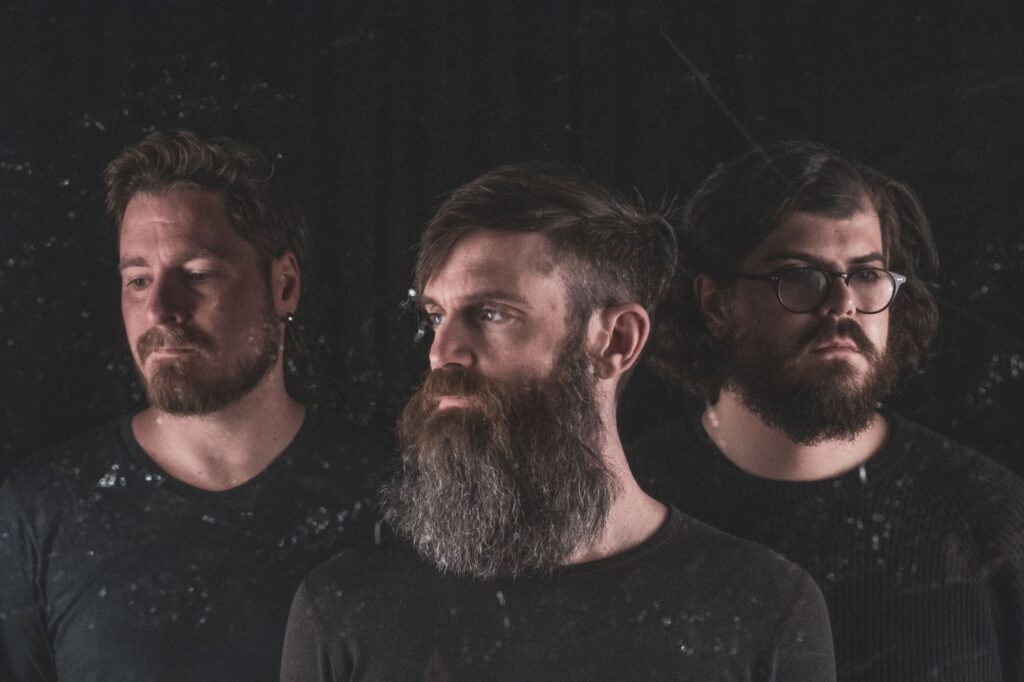
On the same topic, I know that you have recently toured Northeast America, performing in cities including Toronto, Montreal, Boston, and Brooklyn. How was that? Did you find that people were resonating with your sound?
JE: Our most recent tour was really special because we played cities like Boston (near where Robert grew up) and Montreal (where I spent all my formative summers growing up) for the first time, despite being a band for 5 years. That meant we had lots of friends and family who were able to see us. Other first-time cities for us that were cool were Chicago and Toronto especially. We hadn’t played in the NYC area or Washington, D.C. in over three years, so getting to play those towns again was great.
It’s very cool that we’re able to do this on our own from a logistics and financial perspective alone, but folks really love the show and want to help us out, buying records and shirts, putting us up for the night, etc. Those gestures really make the more challenging aspects of the thing so much easier.
Lastly, what’s next for Slow Teeth? Is there a longer release in the works?
JE: We have a big headlining show at home in December (Stanczyk’s in Durham on Friday 12/18) and will be putting our finishing touches on our second record, which will also include a video component. We’re also applying for festival appearances in 2027 and trying to build a team to help us reach the next level, though we’re very proud of all we’ve accomplished on our own so far.
Website | Instagram | Facebook | Apple Music | Spotify | YouTube