


There’s something incredibly refreshing about ‘Planet Android’. A kaleidoscopic, eclectic album, the record marks our first encounter with Toronto-based outfit Shapes. References are far and wide, from their conspicuous soul-funk backbone to the occasional jazz episodes, passing through charming art-rock interruptions; there’s something for everyone in the group’s elegant offering. Horns, guitars, keys and drums build an aural universe that’s part playful and part laid-back, a slice of alternative goodness in an otherwise standardised industry.
While we urge you all to discover Shapes’ latest album ‘Planet Android’, originally released in April, it’s also worth highlighting some of the band’s most recent work, here manifested in the form of two live sessions, one labelled ‘daytime’ and one ‘nighttime’. It’s here that we can catch a sense of the immense musicianship and artistic expertise that propel the American collective.
Intrigued by Shapes, we got in touch with them to learn more about their artistry and future goals… Interview below!
Hey guys, thanks for chatting with us! I have delved a fair bit into your world, watched the recent live sessions and listened to your latest album, ‘Planet Android’. It’s been a while since I wrote about a self-confessed jam band, and I have to say, there’s something refreshing in it. In an industry where everyone strives for perfection and proven formulas, Shapes do their best salmon impression, swimming against the current towards authenticity and realness. Is this creative ethos close to your heart?
Absolutely. I can honestly say that for the most part, we are actually striving for imperfection. As you said, a lot of today’s world is geared towards streamlining formulas and trying to make everything perfect. The less you try to define yourself and put yourself in a box, the more open to new possibilities you become, which hopefully leads to more creative possibilities as well.
Being willing to take some creative risks is what makes music interesting to us, and while sometimes we might totally fail and fall flat on our faces, when those risks do pay off, you often get to a place that is extremely fulfilling and beautiful.
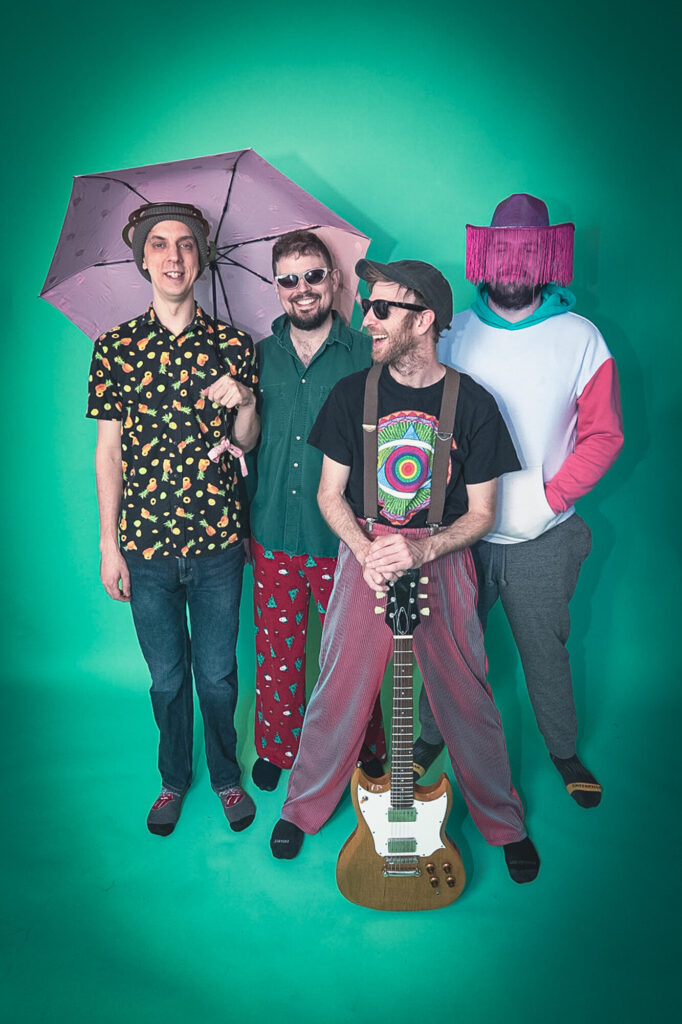
All of this also connects to ‘Planet Android’, a record that functions as “a statement on society’s digital dependence and the dangers of losing touch with nature”, as you describe it. What worries you about modern society and its digital reliance, in particular?
I mean, the list goes on. There’s a huge spectrum of how much technology has affected modern society, ranging all the way from people’s fear of AI taking over to the social, economic, and natural impacts that it imposes. While the AI thing is pretty scary, I think that society’s loss of connection to both nature and each other is the most worrying aspect of digital reliance.
Given the lyrical premise behind the album, it must be hard to navigate a music industry that’s become more and more dependent on data and online behaviours. In your case, I feel like connecting with the local scene and community would be the winning approach. Take us into your experience in the industry so far…
Connecting to local communities has definitely been the best approach for us. There seem to be two totally separate worlds existing simultaneously in the music industry. There’s the social media side of things where success seems to be measured by metrics such as likes and followers, and then there’s the real people you meet at shows who actually listen to your music.
I’m not saying that the online world does not have value. It is definitely a means of getting your music out to the world and promoting your music and shows. However, there is a very big gap between how many people interact online, versus how many people actually come out to shows. Building that relationship with local communities and real people is still the best way to find the people who actually care.
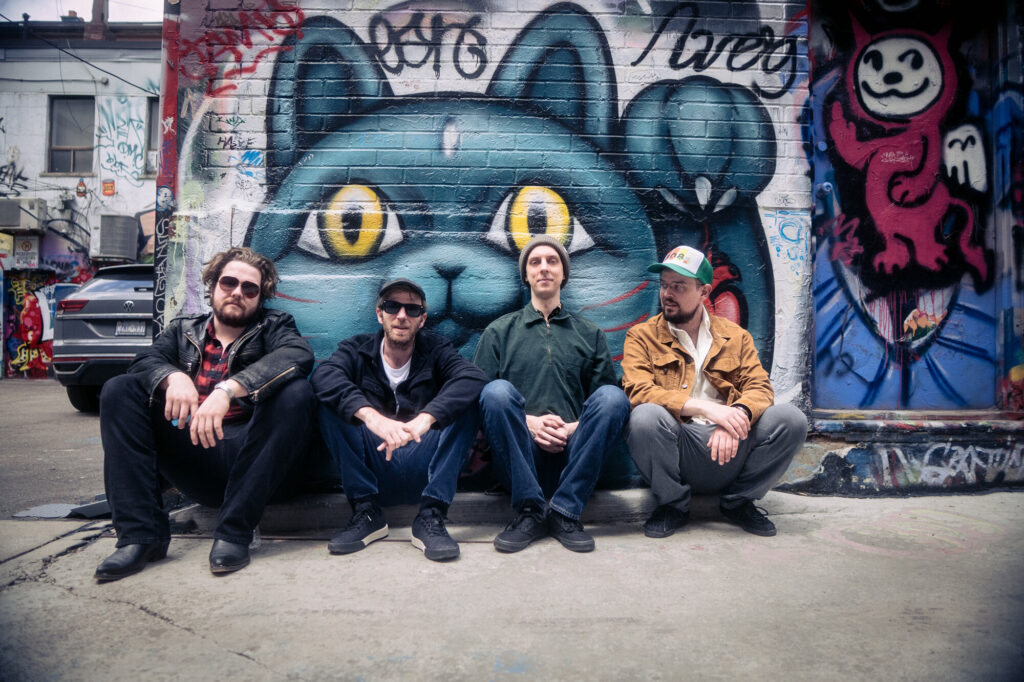
Delving deeper into ‘Planet Android’, I’d be keen to know how it was written and produced. Do you write collectively in a ‘jam’ environment? Are there any major influences you look up to?
In terms of writing, our major influences are guys like Frank Zappa and Trey Anastasio, who kind of go about the writing process on their own and then might invite collaboration later as the project evolves. We use a similar approach in that most of the writing is done by one person and then brought to the table for the rest of the band and producer to add ideas to.
In the case of Planet Android, the bulk of the writing and arranging was already done by the time we went to record; however, I have to thank Carlin Nicholson from Pineship Sound, Ben Weigensberg, and Phil Albert for their incredibly important contributions to the album. These guys really did amazing work to help bring the album to life.
How did the band come about? Did you meet each other through other music experiences?
We all attended the Humber College music program together and found that we were some of the weirdos that didn’t really fit the same mould as everyone else. We all gravitated to different kinds of music than the traditional jazz curriculum that we were being taught, and we often found ourselves put in the same ensembles for the non-jazz kids. We were very lucky to get to see the last glory years of Humber, and were taught and influenced by some of Toronto’s best musicians and educators. We are incredibly grateful for that experience.
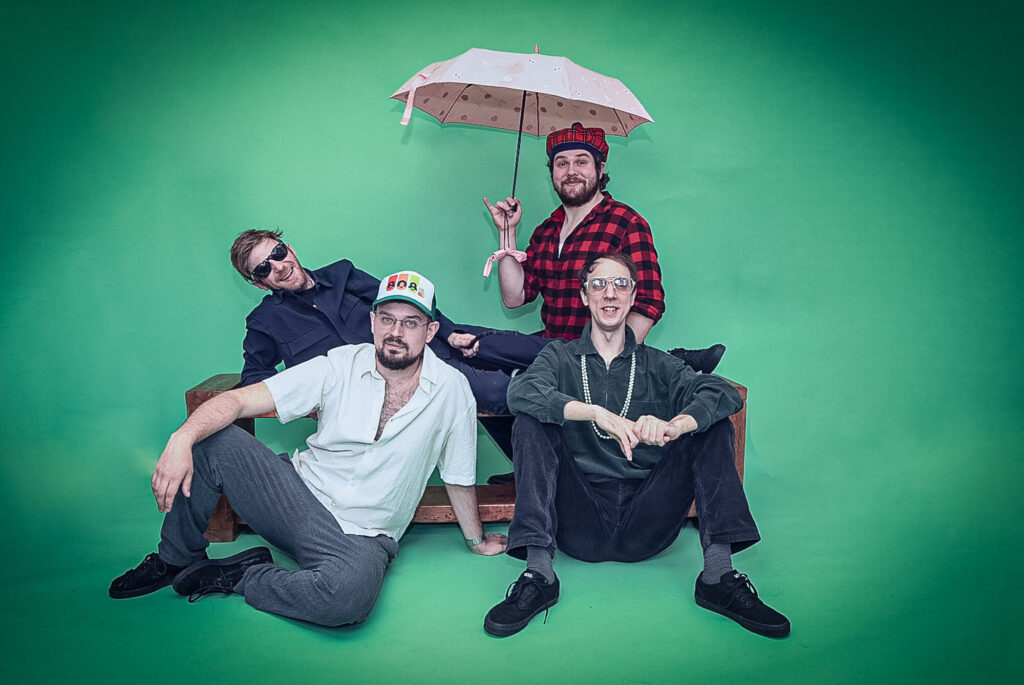
‘Village Sessions (Nighttime)’ has recently been released, a live session that really showcases the talented musicianship that runs in the band. How does it differ from the ‘(Daytime)’ version of the same session?
We started recording the nighttime sessions at 2 am, and I think we wrapped up around 9 am. Besides showcasing a few new songs, we wanted to see the contrast in our playing between being well rested versus being completely exhausted and delirious. As we suspected, we enjoyed our playing in the delirious state far more.
Looking around you, and at the Toronto scene, is there any fellow band or artist that’s drawing your attention lately?
There are tons of great bands in Toronto, but Big Smoke Brass is definitely one to keep an eye out for! Their horn section, comprised of Matt Smith, Zach Smith, and Conrad Glutch, was a huge contributor on Planet Android as well.
Lastly, what’s next for Shapes? Any upcoming releases or live shows?
We have a bunch of really fun shows left to close out 2026 throughout the Midwest, as well as a couple of unannounced surprises for the Northeast coming up. We have also been working some new material into our live shows and plan to hit the studio again in early 2027 to start working on our second full album.